
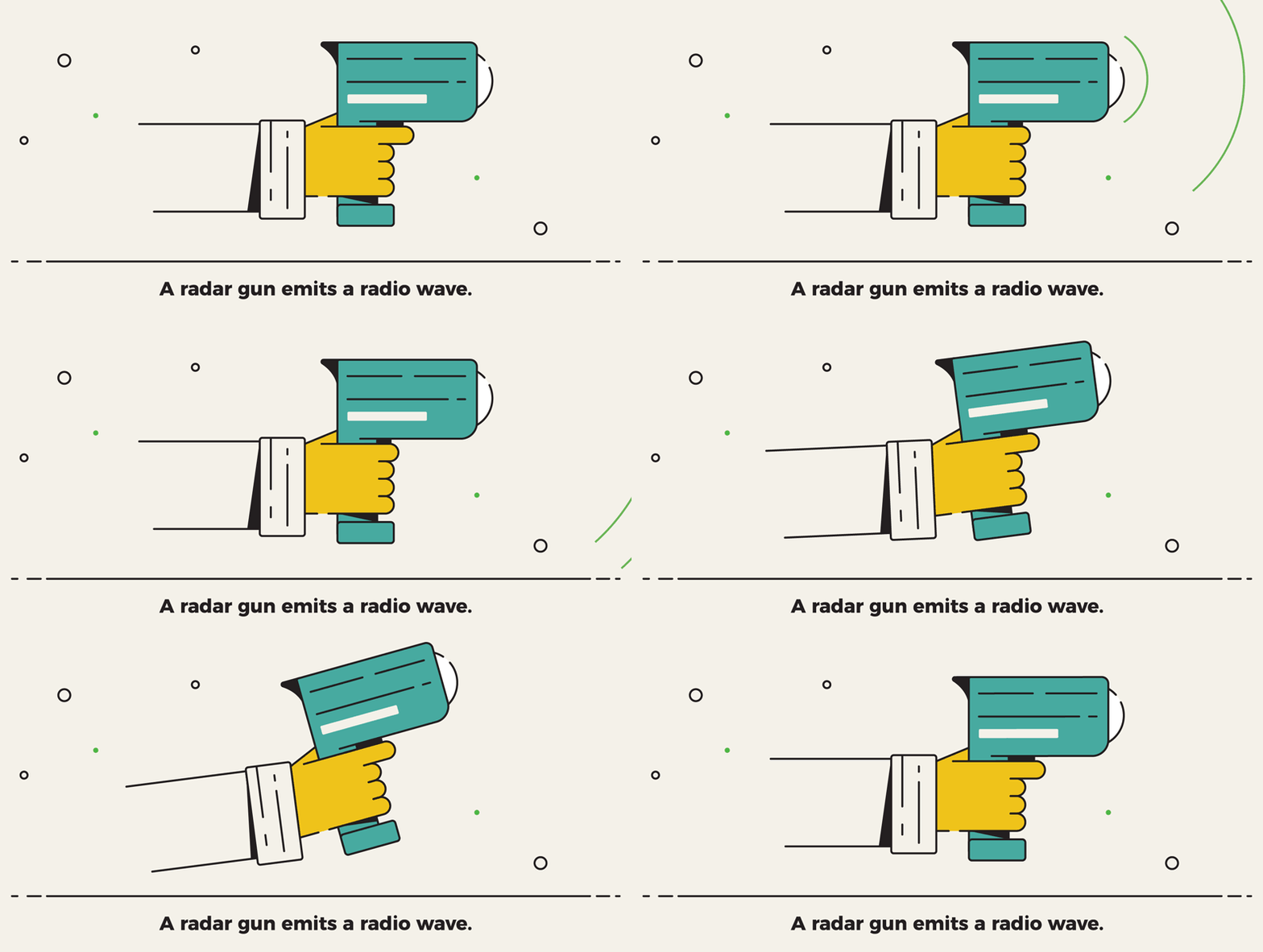




Radar detectors operate by sensing radio waves emitted by law enforcement radar guns. These devices use a receiver to pick up signals within a specific frequency range commonly used by police radar guns. The most common frequency bands include X-band, K-band, and Ka-band.
Upon detecting radar signals, the radar detector triggers an alert mechanism to notify the driver. This alert can be in the form of audible sounds, visual displays, or both. Advanced radar detectors often incorporate voice alerts and customizable settings to enhance user experience.
One of the challenges faced by radar detectors is the prevalence of false alarms from non-law enforcement sources, such as automatic door openers and other radar-based systems. To address this, modern radar detectors utilize advanced filtering mechanisms to distinguish between genuine threats and false signals.
In areas where radar detectors are restricted or illegal, law enforcement may use radar detector detectors (RDDs) like the Spectre and VG-2. To counter this, some radar detectors are designed with stealth technology to remain undetectable by these devices.

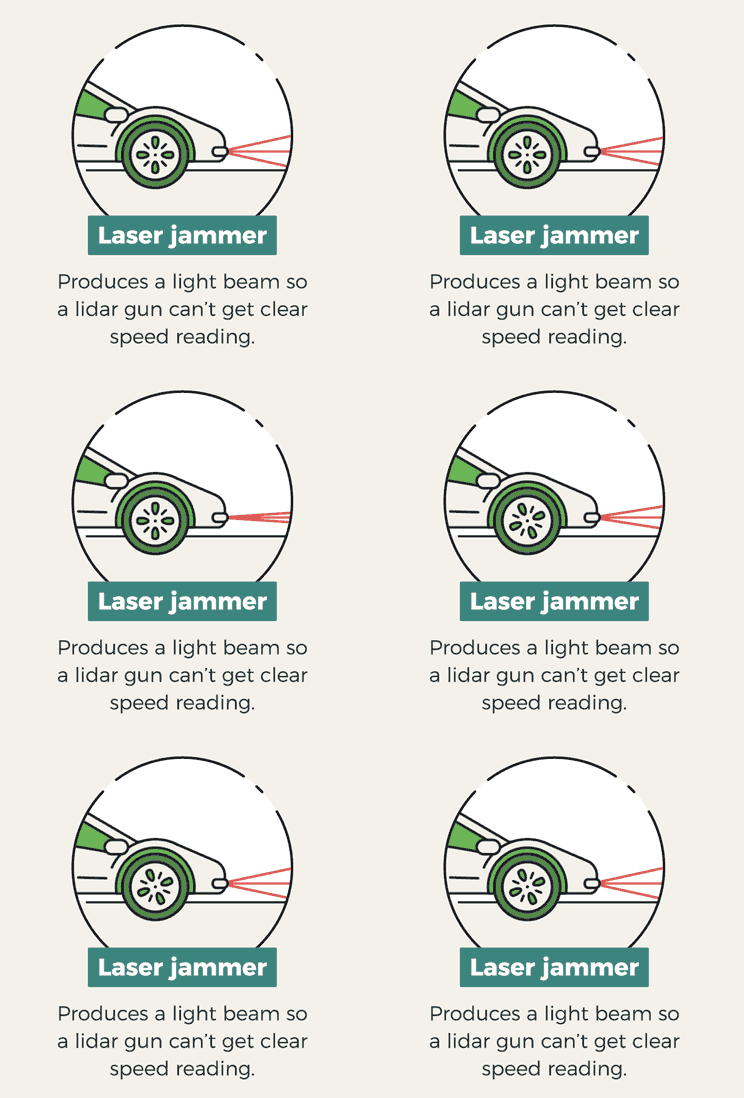
Similar to laser detectors, laser jammers operate with remarkable speed. Upon detecting an incoming laser signal, the jammer rapidly initiates the jamming process. This quick response time is essential, as it provides the driver with a brief window to reduce speed and avoid detection.
Effective laser jammers often incorporate multiple sensors strategically placed on the front and rear of the vehicle. This arrangement ensures comprehensive coverage and increases the likelihood of jamming laser signals from various directions.
7432 E Tierra Buena Lane
Suite #101
Scottsdale, AZ 85260
Copyright © 2025 Signature Audio